
Pressure Regulator
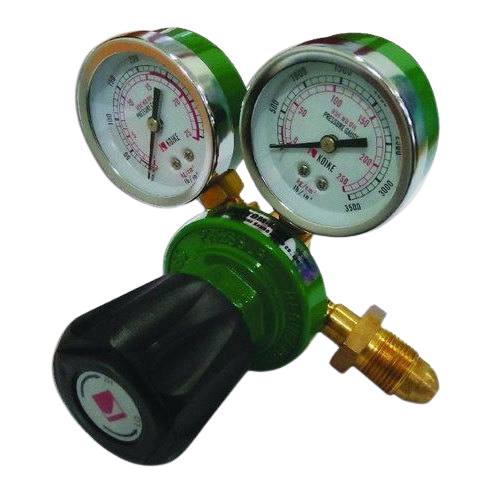
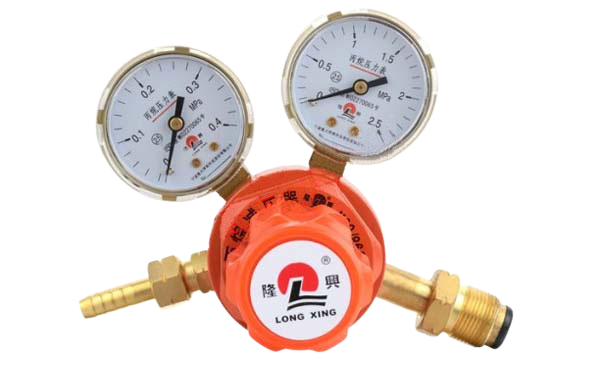
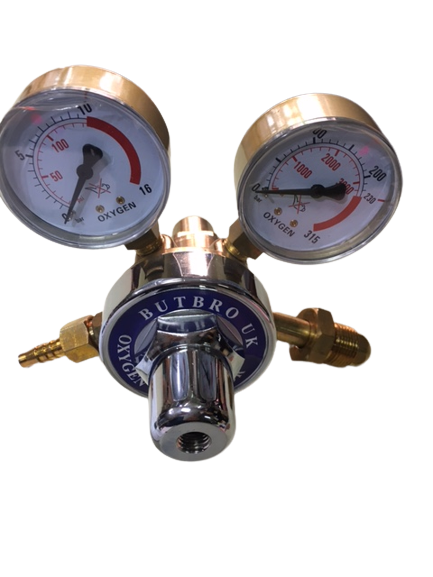
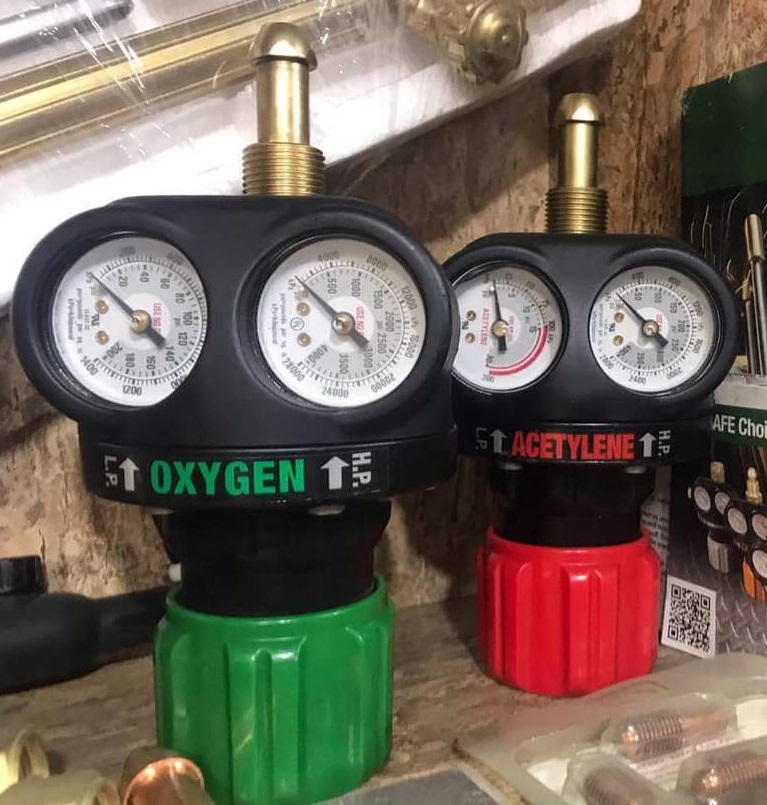
Medical gas pressure regulators are specialized devices that are used to control the pressure of medical gases delivered to patients in hospitals and other medical facilities. They are typically located between the gas supply source and the patient delivery system, and are designed to ensure that the gas is delivered at a safe and consistent pressure.
Medical gas pressure regulators are essential components of medical gas delivery systems, as high or low pressure can be dangerous or ineffective for certain medical procedures. For example, high pressure can damage delicate lung tissue or cause barotrauma, while low pressure may not provide enough oxygen to meet a patient’s needs.
Medical gas pressure regulators typically have the following features:
- Inlet and Outlet Connections: The regulator has two connections, one for the gas supply source and one for the delivery system.
- Pressure Gauge: The regulator has a pressure gauge that displays the pressure of the gas entering and exiting the regulator.
- Control Knob: The regulator has a control knob that allows the user to adjust the pressure of the gas exiting the regulator.
- Safety Features: The regulator may have safety features such as pressure relief valves, which open if the pressure exceeds a certain level, and flow restrictors, which limit the amount of gas that can be delivered to the patient.
- Color Coding: The regulator may be color-coded to identify the type of gas being regulated, such as oxygen, nitrogen, or nitrous oxide.
Overall, medical gas pressure regulators are critical components of medical gas delivery systems, providing safe and reliable delivery of medical gases to patients in hospitals and other medical facilities.