
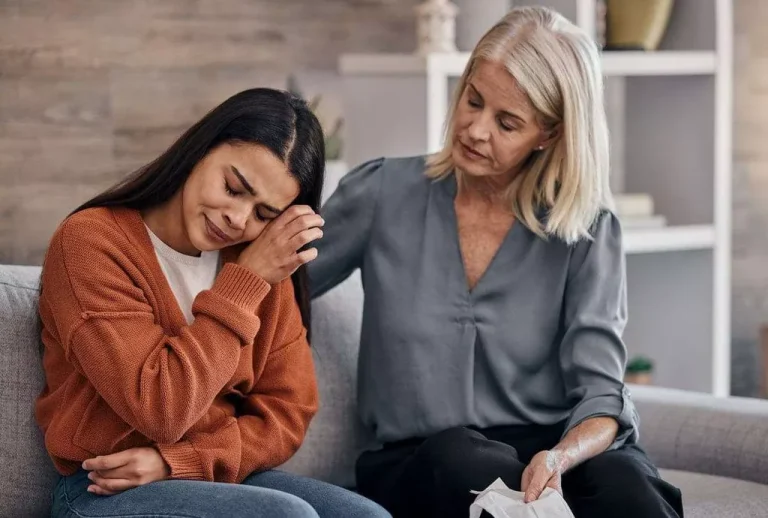
It’s important to view these events not as failures but as opportunities for learning and growth. If you experience a setback, take the time to analyze what led to the relapse and discuss it with your support network or therapist to understand the triggers involved. Strengthening your coping strategies fear of being sober and possibly adjusting your recovery plan can help prevent future setbacks. Most importantly, maintain a compassionate attitude toward yourself and recognize that recovery is a journey with ups and downs. The first step in addressing a fear of sobriety is acknowledging the fear itself.
Identify Your Personal Triggers
I’d argue that many of us gravitated to a group of friends who have drinking habits that align with our own, and we did this because we didn’t want sober friends. One thing I’ve learned in my seven and a half years in recovery is that we all have fear, and we all overcome those fears, instead choosing recovery. What I know from this side of the fence is that life in recovery gives us everything that we had looking for at the bottom of a bottle.
How Sobriety Can Look Boring

But along with well-being, it’s important from the human development perspective, this notion of empowerment that the McKinsey report was able to quantify. Like many fears or phobias, symptoms may vary between people. Those with a fear of the unknown may experience intense feelings of distress and anxiety and may even have panic attacks. If all of your friends abuse alcohol and/or your spouse abuses alcohol, it makes a lot of sense to fear what will happen next. What you’re really afraid of is the unknown and that you may be unable to handle it.

Stop Being Afraid to Get Sober with Northpoint Recovery
But many people use the excuse that they are cowards just so they can keep on using the substances. If you truly want to live a clean and sober life, you are already ahead of the game. Intention and commitment are crucial to having a successful recovery. When you used drugs and alcohol, you probably worried that once you were clean and sober, you would not have any friends. You might also think that the people you meet will not want to be around you because you do not engage in the same activities they do. This fear is rooted in the insecurity and feelings of worthlessness that addiction causes an individual.
What are the first steps to take if I’m afraid to become sober?
- Develop a daily or weekly routine that includes check-ins with your support network, attendance at support group meetings, and dedicated time for self-care practices.
- Your therapist can help to equip you with new techniques for navigating your challenges and the confidence to use them when you’re confronted with fears of the unknown.
- Instead, focus on things, experiences, and activities that will support your new, healthy lifestyle.
- Even after being in recovery for a while, you may not be delighted with the changes you have made.4 In fact you may realize you don’t like being sober.
- While this point of view is understandable, it’s also thankfully often misleading and entirely possible to overcome, as a member of FHE Health’s Alumni Program recently shared….
- The truth is they probably already know you have a problem.
- They’ll have to feel emotions again without numbing them with drink or drug and maneuver their way through tricky family and relationship dynamics.
Trying self-help techniques may be helpful for some people with a fear of the unknown. Sober stresses seriousness of purpose and absence of levity or frivolity. You may have been using alcohol as a crutch to dull whatever might bother you. What began as a drink here or there after work soon wound up being much more than that, to the point where you could not wait to get home and get drunk. Maybe you even tossed back a few at work, in the car on the way home, or in the morning to get you going. Those who are overly pessimistic and say, “I’m going to be miserable forever,” will inevitably fail.
- You have probably been closed off for so long that you are understandably afraid to do, see, hear, and fail.
- First of all, you have to learn how to get and remain comfortable in your skin.
- Some people who move from a controlled and protective setting find themselves awash in the environmental cues that lead to their drinking.
- Another common fear in sobriety is that you’ll wind up alone because no one will want to hang out with you.
- We also find that the more insecure people feel, the larger this agency gap is.

For certain substances and levels of addiction, this is a medical necessity. For example, severe alcohol withdrawal can be deadly without medical treatment. But even if it’s not medically necessary, it can make a difference on getting you through the detox successfully. In a medical detox, a specialized drug https://ecosoberhouse.com/ team will be with you all of the way. They will provide you with round-the-clock care and supervision, ensuring that your physical and mental health is in good shape. Also, your treatment center’s team will be able to provide you with the most effective medication to help you manage your withdrawal symptoms.
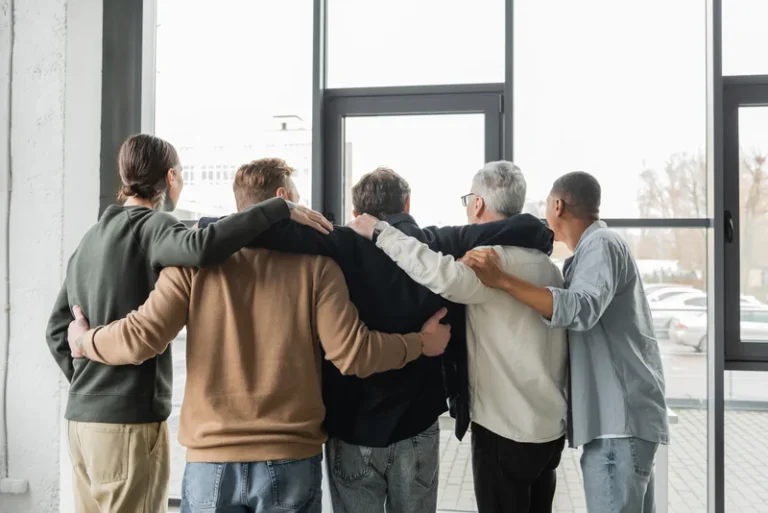
What Is Sobriety, Anyway?
Because to respond to the inflationary pressures, as we all know, monetary authorities in high-income countries are increasing their interest rates. In fact, the US Federal Reserve, for instance, enabled all viable firms in the United States to continue operating by buying their debt. So there was very aggressive action taken by, in a sense, rich countries that have the means, the ability, the capability to do that.

According to our data from the World Values Survey that we use in our report, half of the global population today does not feel in control of their lives. Political polarization is obviously not something new. It has happened in other periods in history, particularly in the 1920s and 1930s.